

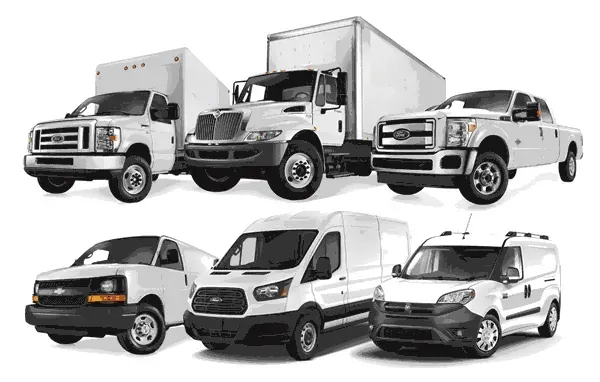
Fleet management refers to everything a business does to keep its commercial vehicles operating safely, efficiently, and cost-effectively.
If a company relies on vehicles to run its business — whether that's delivery trucks, service vans, or heavy-duty equipment — someone has to manage them. That's fleet management.
What Fleet Management Typically Covers
- Vehicle maintenance and repair — keeping vehicles serviced and road-ready
- DOT inspections and compliance — meeting federal and state regulatory requirements
- Vehicle tracking — monitoring location, mileage, and route efficiency
- Diagnostics — identifying mechanical issues before they become costly breakdowns
- Driver management — overseeing driver performance, safety, and records
- Fuel management — tracking and controlling fuel consumption and costs
- Vehicle financing and acquisition — managing the purchase or leasing of fleet vehicles
Why It Matters
Good fleet management helps businesses:
- Reduce operational costs
- Minimize vehicle downtime
- Stay compliant with government regulations
- Improve driver safety and accountability
- Extend the lifespan of their vehicles
Without it, maintenance gets missed, costs go untracked, and compliance becomes a liability.
Who Handles Fleet Management?
It depends on the size of the business. Some companies manage their fleet
in-house with a dedicated team.
Others choose to
outsource to a
fleet service provider — handing off maintenance, inspections, and repairs to specialists so they can focus on their core business.
Either way, the goal is the same: keep vehicles moving, costs controlled, and operations running smoothly.