


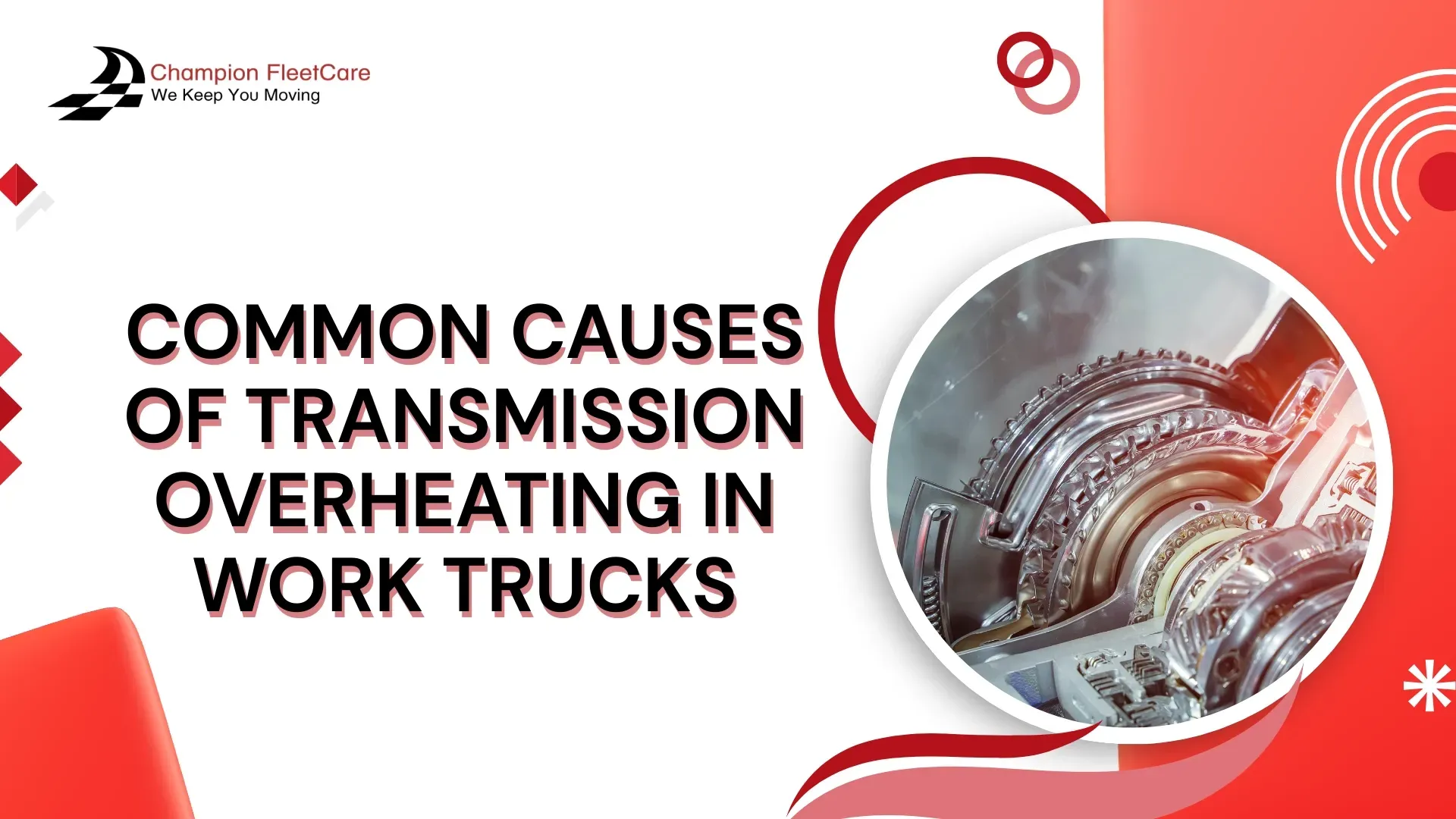
Overheating transmission is a frequent and costly issue for work trucks, especially those used in demanding, heavy-duty environments. Understanding the causes and early warning signs of overheating can help you protect your investment, avoid unexpected breakdowns, and extend the life of your vehicle.
This article covers the main reasons transmissions overheat, how to recognize the symptoms, and essential maintenance practices to keep your truck operating at peak performance.

Top Reasons for Transmission Overheating
Transmission overheating can happen for several reasons, each affecting your truck’s performance and longevity. The main causes include fluid leaks, cooling system failures, low fluid levels, and the strain from heavy loads. Identifying these early helps you avoid expensive repairs and downtime.
How Fluid Leaks Cause Overheating
When transmission fluid leaks from worn seals, damaged gaskets, or loose connections, the system loses its ability to cool effectively. Without enough fluid, heat builds up, causing the transmission to overheat. Regular inspections can help you spot leaks before they become a bigger problem.
Impact of Cooling System Failures
The transmission cooling system is essential for keeping fluid temperatures in check. If the cooler or fluid lines fail, heat can’t dissipate properly, leading to overheating. Damaged lines may also cause fluid loss. Routine maintenance ensures these components work as they should.
Recognizing Transmission Overheating Symptoms
Knowing the signs of transmission overheating allows you to act and prevent serious damage. Symptoms range from performance issues to dashboard warnings.
Transmission Slipping and Delayed Shifting
If you notice your truck slipping gears or experiencing delayed shifting, it could be due to overheated transmission fluid. High temperatures affect fluid viscosity, making it harder for your transmission to engage gears smoothly.
Warning Lights to Watch For
Dashboard lights like the check engine or a specific transmission temperature warning are signals that your transmission may be overheating. Don’t ignore these alerts—getting a professional checkup can save your transmission.
How the Transmission Cooling System Works
The cooling system helps maintain the right temperature for your transmission fluid, preventing overheating and ensuring smooth operation.
Key Cooling System Components
The system includes the transmission cooler, fluid lines, radiator or auxiliary cooler, and temperature sensors. The cooler transfers heat from the fluid to the air, while the lines carry fluid to and from the cooler. Keeping these parts clean and leak-free is vital.
Role of the Transmission Cooler
The cooler reduces fluid temperature by circulating it through fins exposed to air. This process dissipates heat before the fluid returns to the transmission. Regular cleaning and leak checks keep the cooler effective.
Maintenance Tips to Prevent Overheating
Proper fleet maintenance in Lenexa, KS is your best defense against transmission overheating. Regular checks and timely fluid changes help keep your transmission healthy.
Advanced methods like predictive maintenance are also gaining traction, using technology to anticipate issues before they happen.
Predictive Maintenance for Heavy-Duty Vehicle Transmissions
Heavy-duty vehicles are critical assets, and keeping them reliable is key to operational success. Predictive maintenance uses machine learning to forecast component failures, including transmissions, helping avoid costly downtime.
Predictive Maintenance of Heavy-Duty Vehicles to Predict the Emitters Using Deep Learning, N Saikiran, 2024
Checking and Replacing Transmission Fluid
Check your transmission fluid every 15,000 to 30,000 miles to ensure proper levels and condition. For trucks used in heavy-duty applications, replacing fluid every 30,000 to 60,000 miles is recommended to maintain optimal performance.
Maintaining the Transmission Cooler
Keep the cooler clean and inspect fluid lines regularly for leaks or damage. This helps maintain proper fluid temperature and prevents overheating.
Repair and Replacement Options for Overheated Transmissions
When overheating occurs, deciding between repair and replacement depends on the severity of the damage.
Fixing Cooling System Issues
Repairs may involve replacing hoses, fixing leaks, or swapping out the cooler. A professional assessment will determine the best approach to prevent further transmission damage.
When to Replace the Transmission
If overheating has caused extensive internal damage, replacing the transmission might be more cost-effective than repairs. Persistent overheating, major leaks, and unusual noises are signs that replacement should be considered.
Research into heavy-duty vehicle drive system failures highlights the financial impact of such issues and the importance of timely intervention.
Haul Truck Traction Drive System Failure Analysis
This study examines the reliability of haul truck traction drive systems, identifying costly failures and repair expenses related to part defects.
A reliability study of the traction drive system in haul trucks based on failure analysis of their functional parts, 2023
Keep Your Transmission Cool with Champion Fleet
Don’t wait for transmission problems to disrupt your work. Book your transmission inspection or maintenance with Champion Fleet today to ensure your truck stays in top condition. Our experienced technicians are ready to help you prevent overheating and extend the life of your transmission. Book your transmission maintenance for your trucks now at Champion Fleet.
Frequently Asked Questions
How can I tell if my transmission is overheating?
Champion Fleet recommends watching for symptoms like transmission slipping, delayed shifting, and dashboard warning lights. If you notice any of these signs, it’s important to have your transmission inspected promptly to avoid further damage.
How often should I have my transmission fluid checked or changed?
At Champion Fleet, we advise checking your transmission fluid every 15,000 to 30,000 miles and replacing it every 30,000 to 60,000 miles, especially if your truck is used for heavy-duty work. Regular fluid maintenance helps prevent overheating and extends transmission life.
What maintenance can prevent transmission overheating?
Regular inspections of the transmission cooler, fluid lines, and seals are key. Champion Fleet emphasizes cleaning the cooler and fixing leaks promptly to maintain proper fluid temperature and prevent overheating.
When should I consider transmission repair versus replacement?
If overheating has caused minor issues like leaks or damaged hoses, repairs may suffice. However, Champion Fleet recommends replacement if there’s significant internal damage, persistent overheating, or unusual noises to ensure reliable operation.
Why should I choose Champion Fleet for transmission service?
Champion Fleet specializes in work truck transmission maintenance and repair, offering expert diagnostics and quality service to keep your vehicle running efficiently. Our team understands the demands of heavy-duty trucks and provides tailored solutions to prevent overheating and costly breakdowns.